From Floor Plans to Installation: What to Expect During a Kitchen Renovation
March 9, 2026
A kitchen renovation is one of the most exciting home improvement projects a homeowner can undertake. The kitchen is often considered the heart of the home, a space where families gather, meals are prepared, and memories are made. However, renovating a kitchen is also a complex process that involves design planning, material selection, budgeting, and professional installation.
Understanding what to expect throughout the renovation journey can make the experience smoother and more rewarding. From the initial floor plan and design concepts to cabinetry installation and finishing touches, each stage plays a vital role in creating a functional and beautiful kitchen.
For homeowners considering a kitchen remodel, knowing the process ahead of time helps reduce stress, avoid surprises, and ensure the final result aligns with your vision.
The Planning Stage: Defining Your Kitchen Goals
Every successful kitchen renovation begins with careful planning. Before any cabinets are removed or countertops installed, homeowners should take time to think about how they use their kitchen and what improvements they want to achieve.
Some of the most common goals include:
Increasing storage space
Improving kitchen workflow
Updating outdated cabinetry or countertops
Creating a more open floor plan
Adding modern appliances
Enhancing the overall appearance of the home
Professional kitchen designers often work closely with homeowners during this stage to evaluate the existing layout and identify opportunities for improvement. This may involve discussing lifestyle needs, cooking habits, and storage requirements.
For example, a family that cooks frequently may prioritize larger countertops and high-quality cabinetry, while another homeowner might focus more on aesthetics and entertaining space.
Creating the Floor Plan
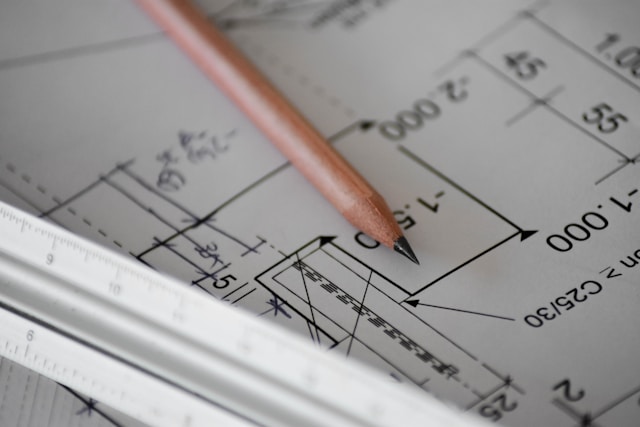
The floor plan is the foundation of any kitchen renovation. It determines how the kitchen functions and how efficiently the space is used.
A well-designed floor plan focuses on what designers often call the “kitchen work triangle,” which connects the three primary areas of the kitchen:
Refrigerator
Sink
Stove
This concept helps ensure that movement between these areas is efficient and comfortable.
Professional designers often develop multiple layout options before finalizing the plan. Common kitchen layouts include:
L-Shaped Kitchens – Ideal for open floor plans and efficient corner use
U-Shaped Kitchens – Provides maximum storage and counter space
Galley Kitchens – Great for smaller spaces with parallel counters
Island Kitchens – Adds workspace, storage, and seating
During this phase, designers also create elevations and perspective drawings, which provide a visual representation of how cabinetry, appliances, and countertops will appear once installed.
These visuals help homeowners better understand the final design before construction begins.
Selecting Cabinets and Storage Solutions
Cabinetry is one of the most important elements in a kitchen renovation. Not only do cabinets define the overall look of the kitchen, but they also determine how efficiently the space functions.
Custom or semi-custom cabinetry offers homeowners more flexibility in terms of style, materials, and storage solutions. Some popular cabinet styles include:
Shaker cabinets
Raised panel cabinets
Flat-panel or modern cabinets
Glass-front cabinets
Storage innovations can also dramatically improve kitchen organization. Popular cabinet features include:
Pull-out pantry shelves
Soft-close drawers
Corner cabinet organizers
Vertical tray storage
Built-in spice racks
Choosing factory-direct cabinetry can also help homeowners achieve high-quality results while maintaining a reasonable budget.
Choosing the Right Countertops
Countertops are another key design element that affects both functionality and visual appeal.
The right countertop material should balance durability, maintenance requirements, and style. Some of the most popular options include:
Quartz Countertops
Quartz is one of the most popular choices for modern kitchens because it is durable, non-porous, and low maintenance. It resists stains and scratches while offering a wide range of colors and patterns.
Granite Countertops
Granite provides a natural stone look that many homeowners love. Each slab is unique, and it offers excellent durability when properly sealed.
Marble Countertops
Marble creates a luxurious and elegant appearance but requires more maintenance due to its porous nature.
Laminate Countertops
Laminate offers a budget-friendly option with many design choices and improved durability compared to older laminate styles.
Selecting the right countertop often depends on how heavily the kitchen is used and the overall design style.
Design Elements That Bring the Kitchen Together
Once the major structural elements are selected, designers focus on the finishing details that give the kitchen its personality.
Important design features include:
Backsplash materials
Cabinet hardware
Lighting fixtures
Sink styles and faucets
Flooring options
Backsplashes can serve as a focal point in the kitchen. Materials such as subway tile, glass tile, or natural stone can add texture and visual interest.
Lighting is also critical. Many kitchens incorporate multiple layers of lighting, including:
Task lighting for food preparation
Under-cabinet lighting for countertops
Ambient lighting for overall brightness
Decorative lighting over islands or dining areas
These elements combine to create a kitchen that is both functional and visually appealing.
Preparing for Construction
Before installation begins, several important steps take place behind the scenes.
First, contractors confirm all measurements to ensure cabinets, appliances, and countertops fit perfectly. Accurate measurements are essential for preventing delays during installation.
Next, existing cabinets, countertops, and appliances may be removed. In some cases, electrical, plumbing, or structural adjustments are required to support the new kitchen layout.
Homeowners should also prepare for some temporary disruptions during construction. Setting up a temporary cooking space elsewhere in the home can help minimize inconvenience during the renovation.
The Kitchen Renovation Timeline
Although every project is unique, most kitchen renovations follow a general timeline. The following table outlines the typical stages of a kitchen renovation project.
Renovation Stage
What Happens During This Phase
Typical Timeframe
Initial Consultation
Discuss goals, budget, and design ideas with a professional designer
1–2 weeks
Design & Floor Planning
Create floor plans, elevations, and layout options
2–4 weeks
Material Selection
Choose cabinets, countertops, appliances, and finishes
1–3 weeks
Ordering Materials
Cabinets and materials are ordered from manufacturers
3–8 weeks
Demolition
Remove old cabinets, appliances, and countertops
1–3 days
Installation
Install cabinetry, countertops, and fixtures
1–2 weeks
Final Touches
Lighting, backsplash, and finishing details are completed
1 week
This timeline can vary depending on project complexity, product availability, and any structural changes required.
Cabinet and Countertop Installation
Once the materials arrive, the installation process begins. This stage is where the kitchen truly starts to take shape.
Cabinet installation typically occurs first. Professional installers carefully level and secure cabinets to ensure proper alignment and long-term durability.
After the cabinets are installed, countertop templates are created to ensure precise fabrication. Once the countertops are ready, they are delivered and installed.
Other components installed during this phase include:
Sinks and faucets
Appliances
Cabinet hardware
Lighting fixtures
Proper installation is essential to achieving both the appearance and functionality expected from a modern kitchen.
Inspections and Final Adjustments
Before the project is considered complete, the renovation team performs a final inspection to ensure everything meets design specifications and quality standards.
During this stage, installers may make small adjustments such as:
Aligning cabinet doors
Adjusting drawer hardware
Sealing countertops
Testing plumbing and electrical systems
Homeowners typically walk through the finished kitchen with the contractor or designer to review the final result and address any concerns.
This step ensures that every detail is completed correctly.
Benefits of Working With Professional Kitchen Designers
Although some homeowners attempt DIY renovations, working with professional kitchen designers and installers offers several important advantages.
Professionals bring valuable expertise in areas such as:
Efficient space planning
Material selection
Construction coordination
Budget management
Building code compliance
Designers also help homeowners visualize the final result through floor plans, elevations, and perspective renderings. This reduces uncertainty and helps prevent costly mistakes.
In addition, experienced installers ensure cabinets, countertops, and appliances are installed properly for long-term performance.
Maximizing the Value of Your Kitchen Renovation
A well-designed kitchen renovation not only improves daily living but can also increase the value of a home. Kitchens are one of the most important areas potential buyers evaluate when purchasing a property.
Upgrades such as custom cabinetry, durable countertops, and efficient layouts can significantly enhance a home’s appeal.
Homeowners can maximize their renovation investment by focusing on:
High-quality cabinetry
Durable countertop materials
Timeless design styles
Energy-efficient appliances
Functional storage solutions
Balancing aesthetics with practicality ensures the kitchen remains both beautiful and functional for years to come.
Bringing Your Dream Kitchen to Life
Renovating a kitchen is a major project, but with the right planning and professional guidance, the process can be both exciting and rewarding.
From the earliest floor plan concepts to the final installation of cabinetry and countertops, each stage plays an important role in shaping the finished space.
By understanding what to expect during each step of the renovation journey, homeowners can approach the process with confidence and clarity.
The result is more than just a renovated room—it’s a transformed living space that enhances comfort, functionality, and the overall value of the home.