Design-Build Workflow: Installation, Drafting, and Project Execution at Kitchens Direct
July 13, 2026
Home renovation and kitchen remodeling projects have become increasingly complex as homeowners demand higher levels of customization, efficiency, and design precision. Traditional renovation methods often involve multiple disconnected parties designers, contractors, and installers leading to miscommunication, delays, and cost overruns.
Design-Build Workflow: Installation, Drafting, and Project Execution at Kitchens Direct explores how Kitchens Direct streamlines the renovation process by integrating drafting, installation, and construction coordination into a unified design-build system. This approach reduces inefficiencies, improves communication, and ensures greater accuracy from concept to completion. By combining technical planning with hands-on execution, Kitchens Direct represents a modern shift toward fully integrated residential remodeling workflows.
Understanding the Design-Build Model
The design-build model is a project delivery method in which design and construction services are handled under one coordinated system. Instead of separating architects, designers, and builders, the design-build approach brings all stakeholders together under a single workflow.
Key characteristics of this model include:
Unified project responsibility
Centralized communication
Faster decision-making
Reduced administrative complexity
Streamlined construction timelines
At Kitchens Direct, this model ensures that every phase of a renovation project is aligned from the beginning, minimizing errors and improving efficiency.
How Kitchens Direct Implements the Design-Build Workflow
Kitchens Direct integrates design, drafting, and installation into a seamless process that guides homeowners through each stage of their renovation journey.
The workflow typically includes:
Initial consultation and project assessment
Concept design and space planning
Technical drafting and blueprint development
Material selection and specification
Installation and construction execution
Final walkthrough and project completion
By managing all phases internally, Kitchens Direct eliminates the disconnect that often occurs between separate contractors and designers.
This integrated approach ensures consistency and accountability throughout the entire project.
The Role of Drafting in Project Accuracy
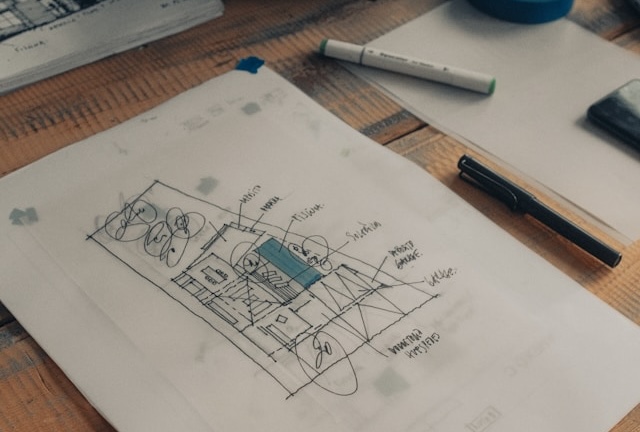
Drafting is one of the most critical stages in any renovation project. It involves creating detailed technical drawings that guide construction and installation.
At Kitchens Direct, drafting includes:
Precise measurements of existing spaces
Cabinet and fixture placement planning
Electrical and plumbing coordination layouts
Structural alignment verification
3D visualization of design concepts
Accurate drafting reduces the risk of construction errors and ensures that the final installation matches the original design intent.
Without proper drafting, even well-designed projects can face costly adjustments during construction.
Installation Services in the Design-Build System
Installation is where design plans become reality. In traditional workflows, installation is often handled by separate contractors who may not fully understand the design intent.
Kitchens Direct improves this process by integrating installation directly into the design-build system.
Installation benefits include:
Better alignment with design specifications
Reduced on-site modifications
Faster project completion
Improved quality control
Fewer coordination issues
Because installation teams work closely with designers and drafters, the transition from plan to execution is more accurate and efficient.
Project Execution and Coordination
Project execution involves managing all moving parts of a renovation, including scheduling, material delivery, labor coordination, and quality control.
Kitchens Direct ensures smooth execution by:
Centralizing project management
Coordinating all subcontractors and teams
Tracking project timelines in real time
Managing material procurement schedules
Ensuring quality assurance at each stage
This reduces delays and ensures that projects are completed on time and within scope.
Effective execution is one of the strongest advantages of the design-build workflow.
Reducing Miscommunication in Renovation Projects
One of the most common issues in traditional renovation models is miscommunication between different teams.
Problems often include:
Design misunderstandings
Incorrect measurements
Delayed approvals
Conflicting contractor instructions
Material mismatches
The integrated system at Kitchens Direct eliminates many of these issues by ensuring that all teams operate within a shared workflow.
This unified communication structure improves efficiency and reduces costly mistakes.
Benefits of an Integrated Workflow
The design-build workflow provides several key advantages for homeowners and contractors alike.
These benefits include:
Faster project timelines
Improved cost control
Greater design accuracy
Reduced construction errors
Enhanced accountability
By combining all phases of renovation into one system, Kitchens Direct creates a more predictable and efficient remodeling experience.
Drafting and Design Alignment
One of the most important advantages of the design-build approach is the alignment between design and drafting.
At Kitchens Direct:
Designers create conceptual layouts
Drafters convert designs into technical plans
Engineers ensure feasibility and compliance
Installation teams validate execution readiness
This alignment ensures that design ideas are realistic and can be executed without major adjustments.
It bridges the gap between creativity and construction practicality.
Material Planning and Procurement Efficiency
Material selection and procurement are essential parts of any renovation project. Poor planning can lead to delays and increased costs.
Kitchens Direct improves material efficiency by:
Coordinating procurement with project timelines
Ensuring materials match design specifications
Reducing waste through accurate planning
Streamlining supplier communication
Because procurement is integrated into the workflow, materials arrive exactly when needed, reducing storage issues and project delays.
Improving Construction Accuracy
Construction accuracy is significantly improved when design, drafting, and installation are aligned under one system.
Kitchens Direct ensures accuracy by:
Using precise technical drawings
Conducting pre-installation reviews
Coordinating installation teams with designers
Verifying measurements before construction begins
This reduces the need for on-site corrections and ensures that the final result matches the original design vision.
Time Efficiency in Project Delivery
Time efficiency is one of the most important benefits of the design-build workflow.
By eliminating fragmented communication, Kitchens Direct can:
Reduce approval delays
Speed up design revisions
Coordinate teams more effectively
Prevent scheduling conflicts
This leads to faster project completion compared to traditional renovation models.
Homeowners benefit from shorter disruption periods and quicker access to finished spaces.
Cost Control and Budget Management
Budget control is a major concern in renovation projects. Fragmented workflows often lead to unexpected expenses.
The design-build model supports cost control by:
Reducing redesign costs
Minimizing construction errors
Improving material planning accuracy
Eliminating redundant contractor fees
Kitchens Direct helps homeowners maintain more predictable budgets through integrated planning and execution.
Residential Remodeling Applications
The design-build workflow is especially effective in residential remodeling projects such as:
Kitchen renovations
Bathroom upgrades
Full home remodels
Interior redesigns
Custom cabinetry installations
In each case, the integrated system improves coordination and results in higher-quality outcomes.
Kitchens Direct applies this workflow across a range of residential projects.
Challenges in Traditional Remodeling Systems
Traditional remodeling systems often struggle with inefficiencies due to fragmented roles.
Common challenges include:
Poor communication between contractors
Scheduling conflicts
Design inconsistencies
Cost overruns
Delayed project completion
The design-build workflow directly addresses these challenges by unifying all project phases.
The Future of Design-Build Construction
The construction industry is increasingly shifting toward integrated models like design-build due to their efficiency and reliability.
Future trends include:
Greater use of digital drafting tools
Real-time project tracking systems
AI-assisted design coordination
Increased automation in construction planning
Enhanced collaboration platforms
Kitchens Direct’s workflow aligns with these future developments by emphasizing integration and efficiency.
Conclusion
Design-Build Workflow: Installation, Drafting, and Project Execution at Kitchens Direct demonstrates how integrating design and construction into a unified system improves efficiency, accuracy, and overall project outcomes. By combining drafting, installation, and project management under one coordinated workflow, Kitchens Direct reduces miscommunication and enhances construction precision.
This approach not only streamlines renovation timelines but also improves cost control and client satisfaction. As residential remodeling continues to evolve, design-build systems will play an increasingly important role in delivering high-quality, efficient, and predictable renovation results.