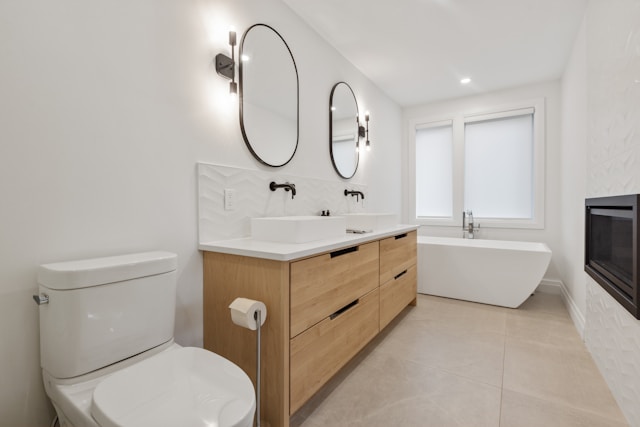
Bathroom Design Ideas That Combine Style, Storage, and Long-Term Durability
May 18, 2026
Bathrooms are among the most frequently used spaces in any home, yet they are often overlooked when it comes to thoughtful design. A well-designed bathroom does more than look good—it functions efficiently, maximizes available space, and stands up to daily wear over time.
Whether you’re updating a small guest bathroom or redesigning a primary suite, the goal is to create a space that balances style, storage, and durability. Achieving that balance requires careful planning, smart material selection, and attention to how the space will be used every day.
Understanding the Purpose of Bathroom Design
Bathroom design is not just about choosing finishes or fixtures. It’s about creating a space that supports daily routines while maintaining comfort and organization.
A successful bathroom should:
Provide efficient storage for essentials
Allow for easy movement and accessibility
Resist moisture and humidity damage
Maintain its appearance with minimal upkeep
Because bathrooms are constantly exposed to water and temperature changes, durability is just as important as aesthetics.
Designing for Functionality First
Before focusing on style, it’s important to ensure the layout supports practical use.
Optimizing Layout and Space
The layout of a bathroom determines how easily it can be used. Even in smaller spaces, thoughtful placement of fixtures can make a significant difference.
Key considerations include:
Keeping frequently used fixtures easily accessible
Allowing enough clearance for doors, drawers, and movement
Positioning storage within reach without cluttering the space
In compact bathrooms, wall-mounted fixtures and floating vanities can help create the illusion of more space while improving functionality.
Smart Storage Solutions
Storage is one of the most important—and often underestimated—elements of bathroom design. Without adequate storage, even the most beautiful bathroom can quickly become cluttered.
Vanities with Built-In Storage
Modern vanities offer a combination of drawers, cabinets, and compartments designed to organize toiletries and daily essentials efficiently.
Vertical Storage
Using vertical space is especially important in smaller bathrooms. Tall cabinets, shelving units, or recessed niches can provide additional storage without taking up valuable floor space.
Hidden Storage Options
Built-in niches in showers or behind mirrors help keep items organized while maintaining a clean and streamlined appearance.
Choosing Durable Materials
Bathrooms are exposed to constant moisture, making material selection a critical part of the design process.
Moisture-Resistant Flooring
Flooring should be able to handle water exposure without warping or deteriorating. Common choices include tile, stone, and certain engineered materials designed for high-moisture environments.
Water-Resistant Cabinetry
Cabinet materials should resist humidity and temperature changes. Proper sealing and high-quality finishes help extend the lifespan of cabinetry.
Countertops Built to Last
Durable surfaces that resist stains, scratches, and moisture are ideal for bathroom use. Materials should be easy to clean and maintain over time.
Balancing Style and Practicality
While durability and function are essential, style plays a major role in how a bathroom feels.
Timeless Design Choices
Neutral color palettes and classic finishes tend to age better than overly trendy designs. This helps maintain long-term appeal and reduces the need for frequent updates.
Textures and Finishes
Combining different textures—such as matte and glossy surfaces—adds depth and visual interest without overwhelming the space.
Consistent Design Elements
Keeping materials and finishes consistent throughout the bathroom creates a cohesive and polished look.
Lighting for Both Function and Ambiance
Lighting is a critical component that affects both usability and atmosphere.
Task Lighting
Focused lighting around mirrors and sinks ensures visibility for daily activities like grooming.
Ambient Lighting
General lighting provides overall illumination and helps create a comfortable environment.
Accent Lighting
Subtle lighting can highlight design features or create a more relaxing atmosphere.
Layering these types of lighting ensures the space is both functional and inviting.
Fixtures That Enhance Performance and Longevity
Bathroom fixtures should be chosen not only for their appearance but also for their performance and durability.
Quality Faucets and Showerheads
Well-made fixtures provide consistent water flow and are less likely to develop leaks or corrosion.
Efficient Toilets
Modern toilets are designed to use less water while maintaining effective performance.
Durable Hardware
Handles, knobs, and other hardware should be made from materials that resist wear and tarnishing.
Ventilation and Moisture Control
One of the most important—but often overlooked—aspects of bathroom design is proper ventilation.
Without adequate airflow, moisture can build up, leading to:
Mold and mildew growth
Damage to walls and ceilings
Reduced lifespan of materials
Installing a quality ventilation system helps regulate humidity and protects the integrity of the space over time.
Designing for Long-Term Use
A bathroom should not only meet your current needs but also adapt to future changes.
Accessibility Considerations
Features such as wider doorways, walk-in showers, and strategically placed fixtures can make the space more accessible over time.
Low-Maintenance Features
Choosing materials and finishes that are easy to clean reduces long-term upkeep.
Durability Over Trends
Prioritizing long-lasting materials and construction ensures the bathroom remains functional and attractive for years.
Common Challenges in Bathroom Design
Bathroom renovations can present unique challenges, especially in older homes.
Limited Space
Smaller bathrooms require creative solutions to maximize storage and usability without overcrowding.
Plumbing Constraints
Existing plumbing layouts can limit design options, requiring careful planning.
Hidden Issues
Water damage, outdated plumbing, or structural concerns may be discovered during renovation.
Working with experienced professionals helps address these challenges effectively.
The Role of Professional Design and Installation
Designing and building a bathroom involves multiple elements, from layout planning to material selection and installation.
Professional guidance ensures:
Efficient use of space
Proper installation of fixtures and materials
Compliance with building standards
A cohesive and well-executed final result
Experienced designers and builders can also help balance style, functionality, and budget.
Maintaining Your Bathroom Over Time
Once your bathroom is complete, proper maintenance is essential to preserve its quality.
Simple practices include:
Regular cleaning of surfaces and fixtures
Checking for leaks or moisture buildup
Maintaining ventilation systems
Addressing minor issues promptly
Consistent care helps extend the life of your bathroom and keeps it looking its best.
Final Thoughts
Designing a bathroom that combines style, storage, and long-term durability requires a thoughtful approach. Every decision—from layout and materials to lighting and fixtures—plays a role in how the space functions and how long it lasts.
By focusing on practical design, quality materials, and smart storage solutions, homeowners can create bathrooms that not only look great but also perform reliably over time. With the right planning and execution, a well-designed bathroom becomes a lasting investment in both comfort and home value.